

















TL;DR
To build research influence, researchers need the opportunity to get involved before stakeholders settle on a business decision.
Our 2026 State of Market Research Report found that 89% of participants view research as a strategic partner, but only 33% say it's involved when problems are first defined.
To close this gap, researchers need to build stakeholder relationships to learn about upcoming decisions, identify assumptions that need testing, and bring relevant findings into those conversations. Recommendations then help stakeholders act on the findings and apply what they've learned to future decisions.
Research has earned its place as a strategic partner, but is it getting involved early enough to shape decisions?
According to our State of Market Research Report, the answer is no. 89% of participants say research is viewed as a strategic partner. Yet only 33% say research is usually involved when a problem or opportunity is first defined.
But being viewed as a strategic partner doesn't always translate into influence over decisions. When researchers are brought into projects after stakeholders pick a direction, they lose the chance to question assumptions, explore alternative paths, and help define the original scope.
This guide looks at how researchers can identify upcoming decisions, build stakeholder relationships, and bring existing insights into conversations before the decision is made.
What builds research influence?
Research influence comes from having a seat at the table when teams define problems and explore possible solutions. Market researchers build that influence by understanding stakeholders’ upcoming priorities and contributing evidence before decisions are made.
By turning research findings into actionable recommendations and sharing what they've learned, researchers help other teams understand the importance of research.
How to build research influence in your organization
So, how can researchers put this into practice? Let's look at how to involve research early in decisions and turn your findings into actions that inform business priorities.
Build relationships before there's a request
Some of the best opportunities to influence decisions come from conversations that happen before a project is formally planned. These might be informal catch-ups with stakeholders, quarterly planning meetings, leadership offsites, or regular cross-team discussions where upcoming priorities first surface.
In our State of Market Research webinar, Theresa Manteiga, former Head of Market Research at Asana, shared how casual coffee chats helped her learn about projects before anyone had requested research support.
Coffee conversations are where I learn about projects that don't exist yet, or decisions that haven't been mapped or solidified anywhere.


Theresa Manteiga
Former Head of Market Research at Asana
Share
Over time, this helped her become more involved in decision-making because she could provide evidence before a formal request arrived.
You can apply the same approach by scheduling informal conversations with colleagues outside your immediate team. Remember, these don't need a research agenda. Simply ask what they're working toward, which decisions are coming up, and what questions they haven't been able to answer.
This works for remote teams, too.
Theresa recommends treating virtual coffee chats as casual introductions without an agenda or expectations of follow-up tasks. Ideally, you want to build relationships that make it easier for stakeholders to involve you when new projects are being discussed.
Anticipate needs to proactively bring evidence to decisions
Look beyond incoming research requests to understand what your organization is planning next. Review quarterly priorities, upcoming product launches, and competitor activity to identify decisions that may need research support.
You really have to pay attention to where the business is heading, figuring out what needs are going to be based on that direction, even when no one's asking for it. I like to tell my teams, like, ‘Okay, so if this is going this way, what would you do if you were the CEO or the CMO or the CPO?’ What would they think about? What would they ask about? [...] What kind of evidence do I need to help answer X, Y, Z, things that they would find most critical?
Theresa Manteiga
Former Head of Market Research at Asana
Share
For example, if your company plans to enter a new market, consider what assumptions the strategy depends on. For example, does the team expect customers to have similar needs to those in existing markets? What evidence would make them reconsider their positioning?
First, review existing research to see which assumptions are supported by evidence. Then identify what needs further investigation and bring those questions to stakeholders before they commit to a decision.
Make existing insights easy to find and act on
Research can't influence a decision if stakeholders can't find insights when they need them. Making previous findings accessible is one of the challenges market research teams face when trying to put their insights to use.
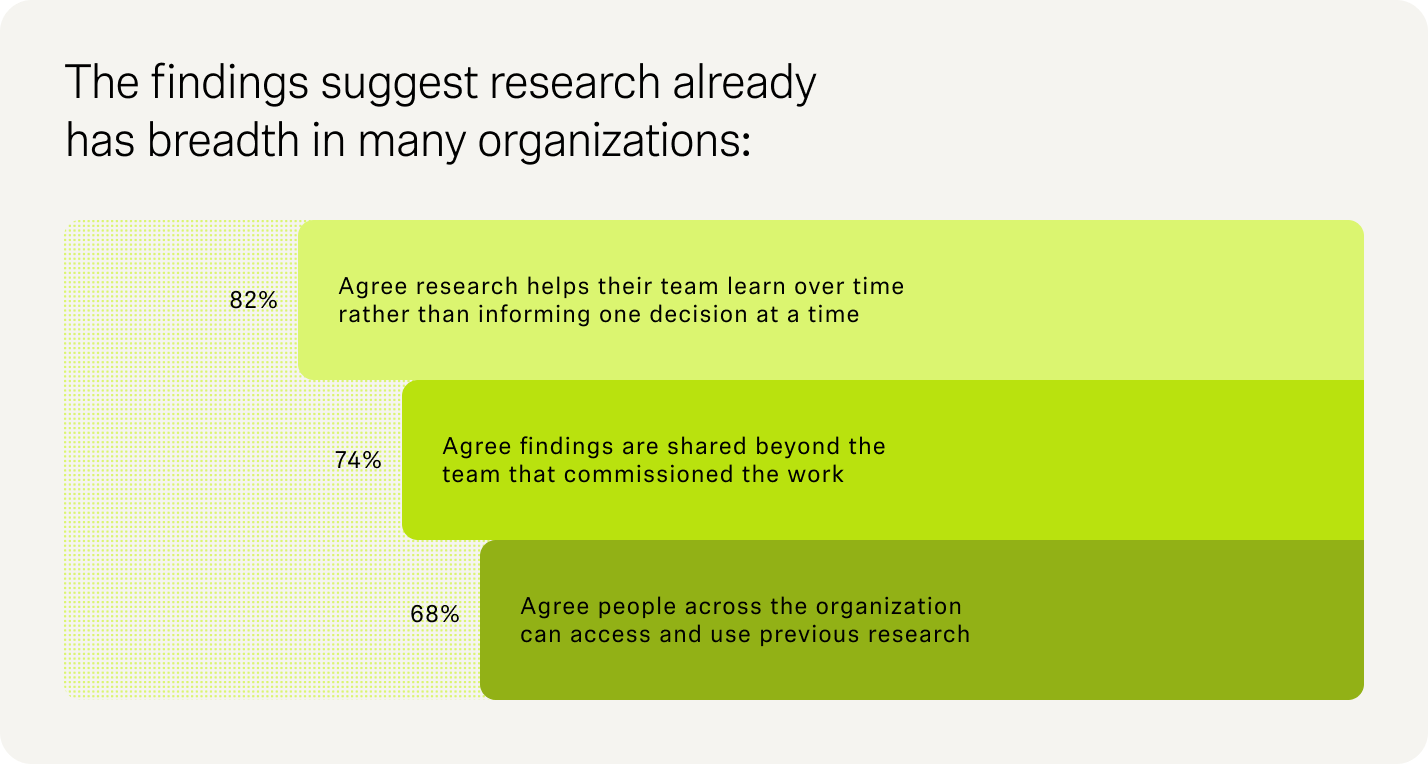
In our State of Market Research Report, 82% of participants agree that research helps their teams learn over time. Yet only 68% say people across their organization can access and use previous research.

To make previous research useful, give stakeholders enough context to act on it:
- Context: Who participated in the research, what was studied, and which questions did it answer?
- Recency: When was the study conducted, and have customer needs or market conditions changed since?
- A clear ‘so what’: What does the research evidence suggest the team should do next, and what still needs investigation?
Making that context accessible and easy to retrieve is just as important so stakeholders can judge whether previous findings are still relevant to an upcoming decision or whether new research is needed.
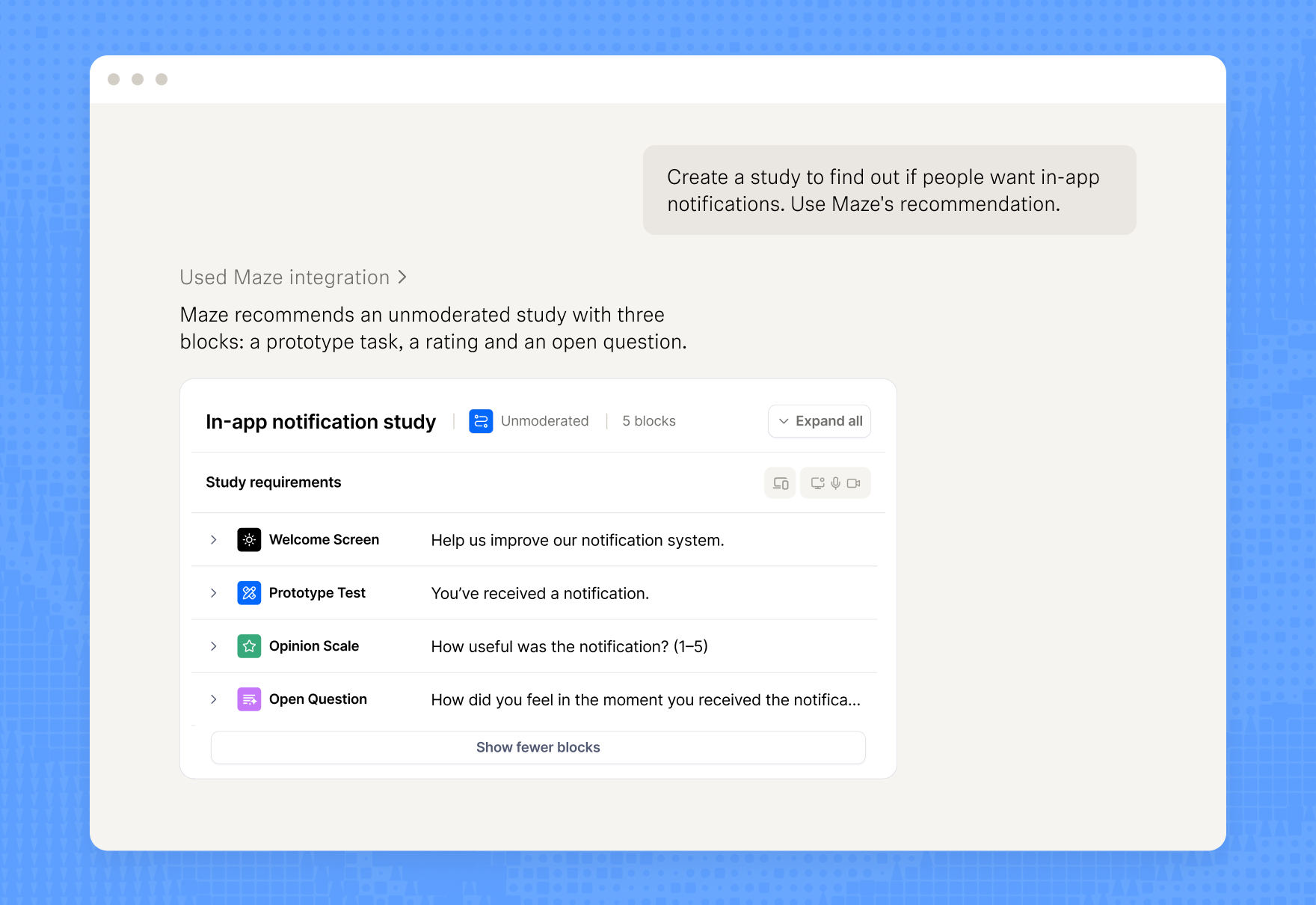
Maze MCP connects findings from studies run in Maze, including participant responses, study results, and interview transcripts, to AI tools like ChatGPT, Claude, and Cursor. Teams can revisit previous studies, find relevant participant quotes, identify patterns across research projects, and explore recommended next steps. This helps stakeholders understand what actions to take next and which questions need further investigation.

Your research influence checklist
Running more studies doesn't automatically mean greater research impact.
Researchers also need to share relevant findings while stakeholders are still deciding which problems to prioritize and which solutions to explore. Here are eight actions to review how research fits into your team's planning and identify what you can do differently next quarter:
- Review the next quarter's business calendar: Identify upcoming product launches, planning cycles, and strategic decisions that may need research
- Schedule informal stakeholder check-ins: Talk to colleagues across product, marketing, and strategy about their priorities and upcoming projects
- Prioritize decisions you can influence: Find out what stakeholders need to decide, when they need to decide, and where research could change the outcome
- Identify untested assumptions: Ask what the team believes about customers or the market and what findings might challenge those beliefs
- Review existing research first: Check whether previous studies answer the question and whether the findings are still relevant
- Make past findings accessible: Organize research so stakeholders can easily find relevant insights, understand their context, and reuse them
- Recommend specific actions: Explain what the findings suggest stakeholders should do next, including where further research is needed
- Follow up on decisions: Check whether stakeholders acted on the findings and document what other teams can learn from the outcome
You don't have to tackle everything at once. Start with one upcoming decision, apply the relevant actions, and track how research contributes to the outcome. Then use what you learn to improve your approach next time.
How Maze helps with proactive research
Research needs to move at the pace of business decisions. Maze helps researchers, designers, and product managers collect and analyze customer feedback before teams commit to a product direction or finalize their plans.
It’s as simple as starting with a research question. Maze’s AI study builder helps you turn that question into a structured unmoderated study that you can review and refine. You can recruit millions of participants through the Maze panel or invite your own customers to participate.
You can gather feedback through surveys and prototype testing, or run AI-moderated interviews to explore customer needs with dynamic follow-up questions.
Maze AI helps summarize responses and identify recurring themes. With Maze MCP, teams can also access findings from studies conducted in Maze directly through AI tools like ChatGPT and Claude.
With Maze, you get one workflow from research questions to insights activation, helping researchers build influence in business decisions.


FAQs about building research influence
Why does research lose influence once a direction is set?
Why does research lose influence once a direction is set?
Research loses influence once a direction is set because stakeholders have already narrowed their options and committed to a course of action. At that stage, research is more likely to validate an existing decision than challenge assumptions or explore alternatives that could change the outcome.
How can researchers get involved earlier in business decisions?
How can researchers get involved earlier in business decisions?
Researchers can get involved earlier in business decisions by building relationships with stakeholders and staying informed about upcoming priorities. Regular check-ins with product, marketing, and leadership teams can help identify decisions before formal research requests arrive. Researchers can then review existing findings, flag untested assumptions, and recommend research while teams are still exploring their options.
How do researchers get a seat at the table?
How do researchers get a seat at the table?
Researchers can earn a seat at the table by building relationships with stakeholders outside formal research projects. Understanding business priorities helps them contribute relevant insights without waiting for a request. Sharing actionable recommendations and demonstrating how findings inform decisions can also help establish research as a strategic partner.
How do you anticipate what stakeholders will need from research?
How do you anticipate what stakeholders will need from research?
Review quarterly business plans, upcoming product launches, and changes in customer behavior to identify potential research questions. Consider what decisions stakeholders will face and which assumptions those decisions depend on. Then assess whether existing findings provide the answers or whether new research is needed.
How do you turn research insights into action?
How do you turn research insights into action?
Connect each research finding to a specific business decision and recommend what stakeholders should do next. For example, if research reveals that customers struggle to understand a product's pricing, recommend testing clearer pricing information before the next launch. Follow up with stakeholders to understand which recommendations they implemented and document the outcomes for future research.